High-stakes Leaderboards and Rankings for Aviator Game across Canada
- Home
- High-stakes Leaderboards and Rankings for Aviator Game across Canada



We observe the Aviator game’s competitive landscape developing rapidly, with leaderboards becoming a central feature for dedicated players. These ranking systems convert the core gameplay from a solitary experience into a dynamic social competition. They offer measurable goals, encourage community, and offer a structured path for players to gauge their skills against a national audience, introducing a compelling layer of long-term engagement to the instant thrill of each round.
Leaderboards in Aviator typically function by tracking and scoring specific player measurements over defined periods. The standard scoring system is determined by total profit derived from successful cash-outs within a leaderboard’s timeframe. This means that consistent, strategic play is rewarded more than random lucky outcomes. Systems frequently reset daily, weekly, or monthly, creating recurring competitive cycles that allow new players to join the competition and leaders to protect their position.
We analyze these mechanics as a sophisticated engagement tool. They encourage not just playing, but playing with a calculated strategy to increase gains. The public visibility of rankings adds a strong social validation factor, where a player’s position becomes a mark of prestige. This converts the in-game achievement from a individual success into a openly acknowledged feat, directly boosting the competitive urge.
We note several distinct leaderboard types within the Aviator ecosystem. The principal type is the profit-based leaderboard, placing players by their total net winnings. Tournament leaderboards are also prevalent, created for special events with exclusive prize pools and certain rules. Furthermore, some platforms introduce “Friends” or “Club” leaderboards, which split competition into smaller, more personal social circles, making top ranks more attainable.
Each type serves a different player psychology. The main profit leaderboard attracts the most competitive players pursuing the ultimate recognition. Tournament boards present time-limited, high-intensity competition with specific start and end points. Social leaderboards decrease the entry barrier, promoting camaraderie and friendly rivalry. This multi-layered approach ensures there is a competitive arena appropriate for every player profile and commitment level.

Competing with leaderboards delivers concrete benefits past standard gameplay. The clearest is eligibility for prize pools, which typically include cash rewards, bonus funds, or exclusive perks given to top finishers. This adds a substantial value proposition, effectively creating a supplementary, skill-based earning potential on top of the game’s primary betting mechanics.
On a psychological level, rankings supply structure and purpose. They transform abstract goals into concrete objectives, such as “reach the top 100 this week.” This framework improves player retention and session length. The public acknowledgment of skill also meets a deep-seated need for status and recognition within a community, which we find is a potent motivator for sustained engagement.
Leading a leaderboard requires a unique approach than casual play. We recommend a bankroll management strategy built around consistency over seeking massive, high-risk multipliers. Smaller, more frequent cash-outs can generate steady profit accumulation, which is the key metric for most rankings. Players must juggle the urge for a huge score with the disciplined need for a rising net profit graph.
Strategic timing is another vital factor. Joining a new leaderboard cycle early can grant a temporary ranking boost, but the final hours are often where the most intense competition takes place. Tracking the profit thresholds of top players gives you a target to aim for. In the end, climbing ranks is a marathon of disciplined decision-making, not a sprint driven by impulse.
The prize structures linked with leaderboards are a significant draw. They typically follow a tiered distribution, with the largest share going to the number one position, and lesser but equally valuable rewards allocated to those in the top 10, 50, or 100. This structure motivates a broader range of players to compete, as reaching a lower tier nonetheless yields a reward.
Rewards reach beyond pure cash. We see platforms providing tangible status symbols like exclusive badges, custom avatars, or “Champion” frames featured in the game lobby. These non-monetary rewards hold considerable social weight within the community. Some operators also provide tournament tickets or special bonus offers with favorable conditions, further enhancing the value proposition for competitive players.
Visible standings profoundly affect the game’s community. They create unified standards and collective aims, promoting a sense of shared involvement. High-ranking players often become de facto community figures, with their tactics and playing styles analyzed and replicated. This establishes a spontaneous order and narrative within the player base, which boosts community bonding and engagement.
In contrast, openness in rankings also builds trust. Verifiable, up-to-date standings highlight the platform’s fairness and lively community. They stimulate natural discussion in community channels as players talk about rankings, exchange advice to climb, and praise winners. This system of rivalry and acclaim is a valuable asset for natural community expansion and member retention.
Guaranteeing the honesty of leaderboards is paramount. We assess platforms for strong anti-collusion and fraud detection measures that hinder leaderboard rigging. This includes tracking for suspicious betting patterns, multi-accounting, and automated play. Open terms and conditions that plainly define eligibility and disqualification rules are a baseline standard for any reliable competitive system.
Security also extends to data management. Player aliases on leaderboards should protect personal information. The algorithms determining profit and ranking must be trustworthy and uniformly applied to all participants. A secure and fair ranking system is the foundation upon which player trust is built; without it, the competitive framework loses all worth and validity.
When we compare Aviator’s competitive aspects with other social casino games, its real-time, round-based nature shines. Leaderboards update dynamically with each cash-out, offering instant feedback, unlike games where rankings are tallied at the end of a long session or tournament. This creates a uniquely fast-paced and transparent competitive environment that mirrors the core game’s adrenaline.
The profit-based scoring is also unique. Many games rank by volume wagered or games played, which rewards activity over skill. Aviator’s focus on net profit inherently benefits effective strategy and risk management. This aligns the leaderboard’s goals more closely with skilled play, appealing to a competitor who appreciates decision-making prowess as much as luck.
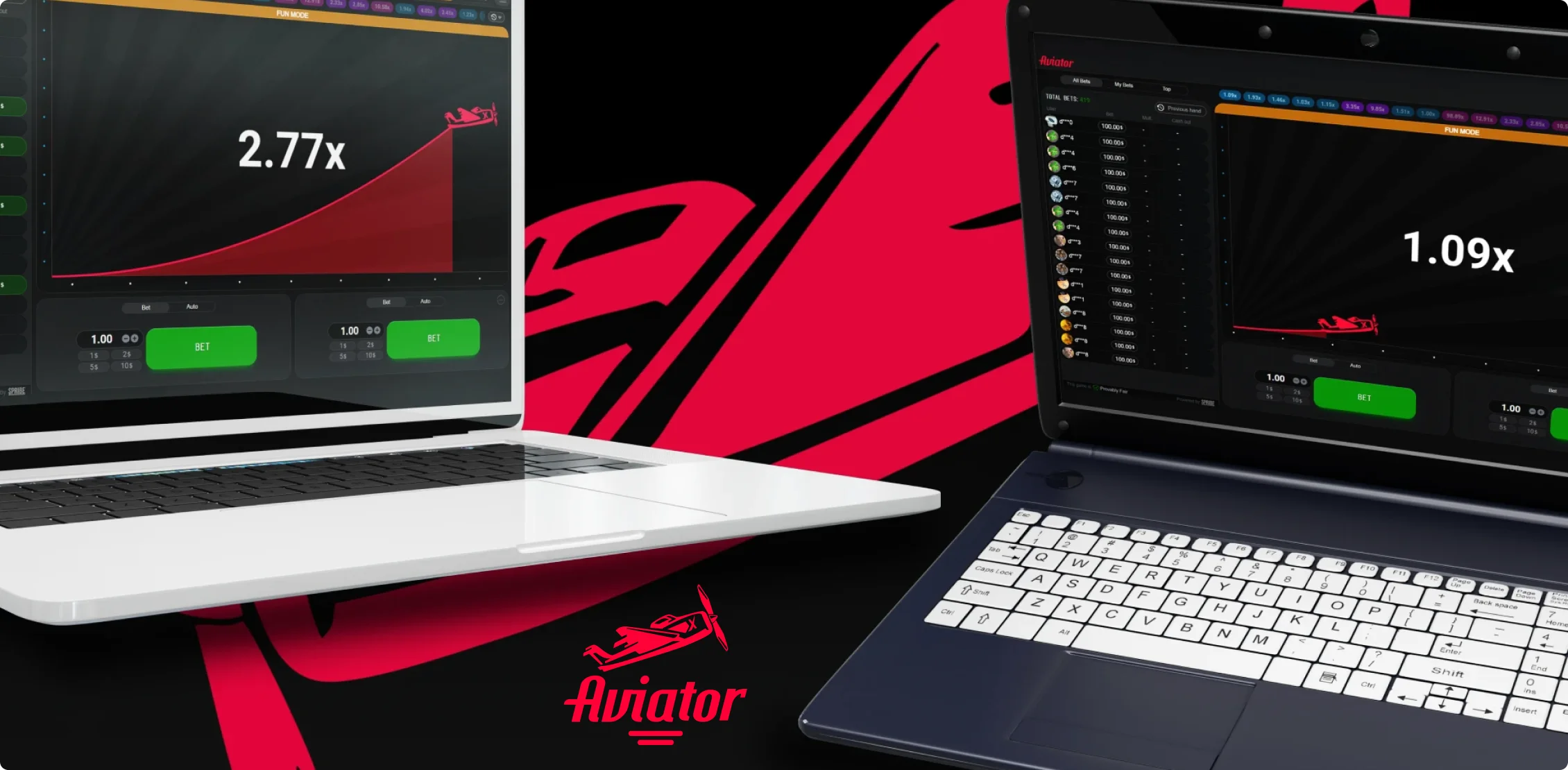
We anticipate leaderboard systems getting more sophisticated and tailored. Future updates may include skill-based matchmaking for competition brackets, broader scoring systems (like best single multiplier reached with a minimum bet), and built-in esports broadcasts of major tournament finals. The social aspect will intensify, possibly with group leaderboards or group competitions.
The inclusion of more in-depth stats and gamer profiles is also coming https://aviacasino.games/aviator/. Envision viewing a competitor’s historical cash-out chart or preferred multiplier range. This data transparency will further professionalize the competition. As the player base expands, we predict to see larger prize pools, sponsored tournaments, and a more organized competition circuit, strengthening Aviator’s position not just as a game of luck, but as a platform for expert competition.