Common ENT Problems in Adults and Children You Shouldn’t Ignore
- Home
- Common ENT Problems in Adults and Children You Shouldn’t Ignore


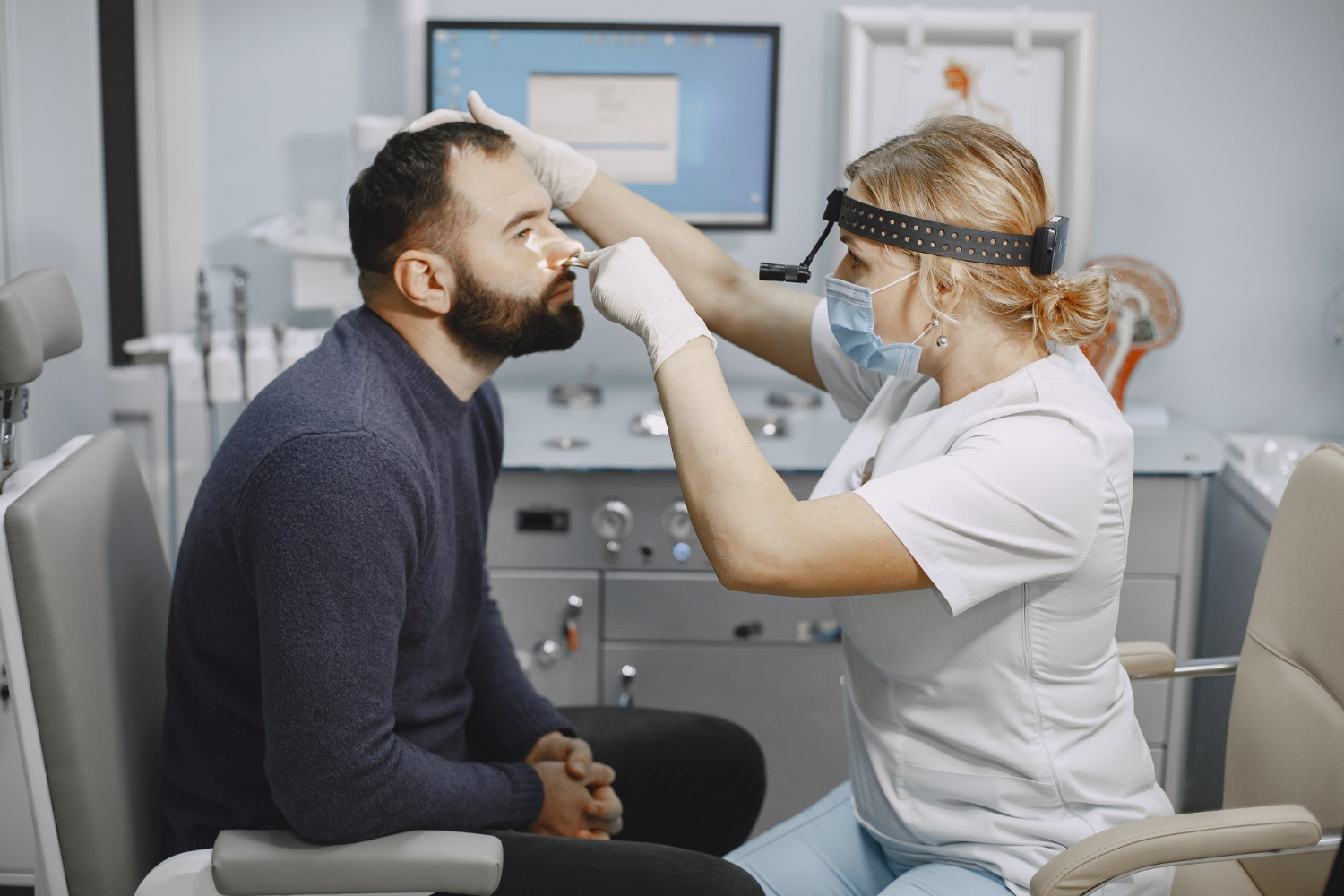
ENT problems, affecting the ear, nose, and throat, are more common than we realize and can significantly impact daily life. From recurring ear infections in children to chronic sinus issues, voice changes, and sleep disturbances in adults, these conditions can affect hearing, breathing, speaking, swallowing, and overall well-being. Understanding the causes, symptoms, and treatment options empowers patients to seek timely care, prevent complications, and maintain a healthy, active lifestyle
ENT problems refer to medical conditions affecting the Ear, Nose, and Throat, along with related areas of the head and neck. These organs are closely connected and play a vital role in hearing, breathing, speaking, swallowing, and balance. Disorders in any of these areas can impact daily life and overall health.
ENT problems can be temporary or chronic, mild or serious, and may affect both children and adults. Early diagnosis and proper treatment by an ENT specialist help prevent complications and improve quality of life.
Ear problems affect hearing, balance, and overall comfort. They are common in both children and adults.
The nose and sinuses help with breathing and filtering air. Problems here can affect sleep and daily activities.
Untreated sinus problems may become chronic and affect quality of life.
The throat plays a key role in swallowing, breathing, and speech.
ENT specialists also evaluate conditions involving the mouth and salivary glands.
Sleep disorders often arise from airway obstruction in the nose or throat.
Viruses and bacteria are the most common causes of ENT problems. They can lead to conditions such as ear infections, sinusitis, tonsillitis, and sore throat. Viral infections often start as common colds, while bacterial infections may cause more severe or long-lasting symptoms if not treated properly.
Allergies to dust, pollen, or smoke cause inflammation of the nose and throat, leading to sneezing, nasal blockage, and sinus problems. Air pollution and chemical irritants further damage the airway lining, increasing the risk of chronic ENT conditions.
A weak immune system makes the body less able to fight infections. Children, elderly individuals, and people with chronic illnesses are more prone to frequent ear, nose, and throat infections due to reduced immunity.
Smoking and passive smoke exposure irritate the lining of the ear, nose, and throat. It increases the risk of throat infections, chronic cough, voice problems, sinus issues, and even serious conditions like throat cancer.
Structural issues such as a deviated nasal septum, enlarged tonsils, nasal polyps, or narrow ear canals can block normal airflow or drainage, leading to repeated infections and breathing difficulties.
When ENT infections are not treated on time, they may become chronic. Repeated untreated infections can damage tissues, worsen symptoms, and increase the risk of complications such as hearing loss or chronic sinus disease
Frequent ear pain or fluid coming from the ear often signals chronic or repeated ear infections. In children, it’s usually linked to fluid buildup after colds, while in adults it can indicate eardrum damage or chronic infection. If untreated, it can lead to hearing loss, inner ear damage, or persistent discomfort.
Hearing loss may be gradual or sudden and can result from ear infections, wax buildup, prolonged noise exposure, or aging. It can affect communication, social interaction, and quality of life. Early evaluation by an ENT specialist can prevent permanent damage and recommend hearing aids or medical treatment if needed.
Pain or a feeling of pressure in the forehead, cheeks, or around the eyes often occurs due to sinus infection (sinusitis) or nasal blockage. This symptom is usually worse when leaning forward or during sinus congestion. Chronic cases may indicate long-term sinus problems that require medical or surgical treatment.
Continuous nasal congestion may be caused by allergies, nasal polyps, or a deviated septum. It can lead to difficulty breathing, snoring, poor sleep, and recurrent sinus infections. Untreated blockage may reduce oxygen intake and affect overall health.
Loud snoring accompanied by pauses in breathing is often a sign of obstructive sleep apnea, caused by blocked nasal passages, enlarged tonsils, or excess tissue in the throat. It can result in daytime sleepiness, fatigue, and cardiovascular complications if left untreated.
A sore throat lasting for weeks may be caused by recurrent infections, acid reflux, smoking, or overuse of the voice. Persistent soreness can indicate tonsil problems, inflammation, or even early signs of more serious conditions, so proper ENT evaluation is important.
Vertigo or a feeling of unsteadiness is usually linked to inner ear disorders, such as infections, fluid imbalance, or vestibular nerve problems. It can interfere with daily activities, increase the risk of falls, and impact overall well-being if not addressed promptly.
Ear evaluation is a core part of ENT care, focusing on hearing, balance, and ear health. Specialists examine the outer ear, ear canal, eardrum, and inner ear structures to detect infections, wax buildup, structural issues, or nerve-related hearing loss.
ENT specialists evaluate the nose, sinuses, and related airway passages to ensure proper breathing and sinus function. This helps prevent complications from chronic congestion, infections, or allergies.
Throat and voice evaluations assess the pharynx, tonsils, adenoids, and vocal cords to maintain healthy swallowing, speaking, and airway function.
Sleep and airway evaluation is essential for diagnosing snoring, obstructive sleep apnea, and other airway obstructions that affect breathing during sleep.
Neck and thyroid assessment focuses on swelling, lumps, and glandular issues, which may indicate infections, thyroid disorders, or tumors.
Treatment Options for ENT Problems focus on relieving symptoms, treating the root cause, and preventing future complications, helping patients recover comfortably and regain normal daily function.
Medical Treatment
Medical treatment is the first line of management for most ENT conditions. It involves the use of medications, lifestyle modifications, and non-invasive therapies to relieve symptoms, control infections, and manage chronic conditions. For example, antibiotics may be prescribed for bacterial ear, throat, or sinus infections, while antihistamines, nasal sprays, or decongestants help with allergies and nasal congestion. Medical management also includes hearing aid recommendations, voice therapy, or vestibular rehabilitation for balance disorders. The goal is to treat the condition effectively while avoiding complications and improving the patient’s quality of life.
Supportive care focuses on alleviating symptoms and assisting the body’s natural healing process. This includes measures such as hydration, steam inhalation, warm compresses, rest, and avoidance of irritants like smoke or allergens. Supportive care also involves patient education, such as proper ear hygiene, safe nasal irrigation, or voice rest techniques, which help prevent recurrent problems. While it may not cure the underlying condition, supportive care reduces discomfort, accelerates recovery, and prevents worsening of ENT disorders.
Surgical treatment is recommended when medical therapy alone is insufficient, or when structural issues cause persistent symptoms or complications. ENT surgeons perform procedures such as ear tube insertion, tympanoplasty, tonsillectomy, adenoidectomy, septoplasty, sinus surgery, or removal of growths and tumors. Surgery may also address airway obstructions causing sleep apnea, thyroid abnormalities affecting the neck, or chronic infections unresponsive to medications. Modern ENT surgery often uses minimally invasive techniques, ensuring faster recovery, less pain, and improved outcomes. Surgical intervention is always tailored to the patient’s specific condition, after thorough evaluation by an ENT specialist
When Should You Consult an ENT Specialist?
You should see an ENT doctor if ear, nose, or throat symptoms persist, recur, or worsen instead of going away on their own. Common signs to watch for include ear pain, ear discharge, hearing loss, dizziness, or ringing in the ears. Ongoing nasal blockage, sinus pain, frequent colds, or allergy symptoms also deserve proper evaluation.
An ENT specialist should also be consulted for a sore throat that lasts more than a couple of weeks, repeated tonsil infections, voice changes, or trouble swallowing. Loud snoring, breathing difficulty while sleeping, restless nights, or mouth breathing in children might signal airway obstruction or sleep apnea and need attention.
If you notice neck swelling, thyroid-related symptoms, or unexplained lumps, it’s best to get them checked promptly.
Bedi Hospital is located on Chandigarh Road, opposite Paris Hotel, Rai Colony, Nawanshahr, Punjab, making it easily accessible for residents of Adarsh Nagar, Teachers Colony, and nearby areas.
As a trusted multispeciality hospital in Nawanshahr, we provide comprehensive ENT care for children with ear infections and recurring tonsillitis, as well as adults with chronic ENT conditions, ensuring timely diagnosis and effective treatment.
Frequently Asked Questions (FAQs)
You should see an ENT if your sinus symptoms last more than 10 days, keep coming back, or do not improve with basic treatment. Warning signs include facial pain, blocked nose, thick nasal discharge, headache, or reduced sense of smell. Frequent sinus infections may need proper evaluation to prevent chronic sinusitis.
You should consult an ENT if you have loud snoring, breathing pauses during sleep, mouth breathing, frequent awakenings, or daytime sleepiness. In children, snoring and restless sleep may be linked to enlarged tonsils or adenoids, which an ENT can evaluate.
Yes, ENT doctors can help diagnose thyroid problems, especially those related to neck swelling, thyroid nodules, voice changes, or difficulty swallowing. They may perform a physical examination and recommend further tests or imaging if needed.
ENT doctors treat several mouth-related problems, including mouth ulcers, infections, throat pain, voice issues, tongue lesions, and salivary gland disorders. Conditions affecting the mouth, throat, and voice box often overlap and fall under ENT care.
Yes, ENT specialists manage many mouth problems, particularly those involving the tongue, tonsils, throat, speech, swallowing, and oral infections. They also evaluate persistent mouth pain or non-healing sores that require medical attention.
ENT problems should not be ignored, as early treatment helps prevent discomfort and complications. If you or your child are facing ongoing ear, nose, or throat issues, getting timely care is important.
Visit Bedi Hospital, Nawanshahr, and consult our ENT specialists for proper diagnosis and reliable treatment. Early care leads to better health and peace of mind.